

Your menopause weekend roundup is here
Bones, BMI + 'moderate daily amounts' edition


BONES: “A new wave of observational data suggests that women with a history of infertility, recurrent miscarriages, stillbirth, or low parity face a significantly higher risk of osteoporosis once they reach natural menopause. Conditions such as repeated pregnancy loss, difficulty conceiving, or having fewer children than biologically attempted are often rooted in underlying hormonal, metabolic, or autoimmune factors. These same factors may also compromise bone strength over time.” Thyroid disorders and polycystic ovarian syndrome (PCOS) are among the conditions that can disrupt bone health long before fertility ends, as reported in News 18.
HF inc hot take: Sometimes you have to get out of the Western bubble to get perspective. And, I feel like I could ask this about everything: What about progesterone?
METABOLICS: A new study from Denmark and the UK, published in The Journal of Clinical Endocrinology & Metabolism, makes a strong case: higher body weight and high blood pressure aren’t just risk factors for dementia — they may be direct causes.
Using a Mendelian randomization design (which mimics randomized trials by using genetic data), researchers linked high BMI to increased dementia risk, largely driven by elevated blood pressure.
The study analyzed data from over 500,000 people via the UK Biobank and major Danish population studies.
Findings suggest that preventing or treating obesity and hypertension — well before symptoms appear — could reduce the risk of dementia, particularly the vascular kind.
HF inc hot take, straight from ChatGPT 5.2: “Why are researchers still using the BMI?” The short answer: “…because BMI is convenient, not because it’s good”. How do you feel about the BMI? Let me know in the comments.
Also: The Mayo Clinic study that showed 35 percent greater weight loss in women who combined hormone therapy with tirzepatide, first released last year, has been published in The Lancet Obstetrics, Gynaecology, & Women’s Health.
Sponsored

Bone loss accelerates dramatically in perimenopause and menopause, but it often goes unnoticed until decades later, when the risk of fracture begins to peak. Sōlaria Biō developed Bōndia so you can take action now: In a gold standard, double-blind clinical trial published in a major medical journal, Bōndia’s plant-derived synbiotic formula improved bone density outcomes by 85% in women with low bone mass. Bōndia’s testing goes beyond regulatory minimums, verifying purity, potency and biocompatibility at every stage of development. And because Bōndia’s powerful anti-inflammatory effects begin in the microbiome, women who took Bōndia even reported improvements to their gut health. Use code HOTFLASH20 for 20% off your first order.
NOURISHMENT: A study published in Scientific Reports in November looked at the connection between antioxidants and the timing of menopause – and the results are worth noting.
Researchers examined data from more than 4,500 postmenopausal women in the US National Health and Nutrition Examination Survey (NHANES).
Those with the highest intake of antioxidant-rich foods — especially ones containing vitamins A, C, and E, plus selenium, zinc, and carotenoids — had a 27% lower risk of experiencing early menopause (before age 45).
Vitamin C and carotenoids stood out as the most protective.
Moderate daily amounts (like a cup of strawberries and a red pepper for vitamin C, or a sweet potato and a mango for carotenoids) appeared to do the trick — no need to go overboard.
While the findings are observational and not proof of causation, it’s another compelling reason to prioritize nutrient-dense, whole foods.
SUPPLEMENTS: Medscape has a new function where they pose a question, you click on it, and AI answers. Check out How strong is the evidence for seaweed’s metabolic health benefits?
Expansion: Symptoms + the super fit
Last week I made a throwaway comment about a study that looked at the frequency of menopause symptoms in endurance athletes. “I guess you can exercise too much” was thoughtless, in retrospect.
I’ll hand it over to Feisty Menopause co-founder Selene Yeager, who specializes in this area and subscribes to this newsletter, to put it in perspective. Her interpretation of the survey study, published in PLOS One:
“wasn’t that too much exercise caused a higher symptom burden (the authors note that ‘severity of menopausal symptoms is similar to that reported in the general population’,) but that exercise wasn’t protective against symptoms. This is something other studies have found, which is why The Menopause Society ‘doesn’t recommend’ it for therapeutic purposes, and that endurance athletes may find symptoms particularly bothersome”. She also pointed out that for some symptoms, particularly sleep issues and exhaustion, frequency in endurance athletes does look higher than what’s reported in the general population, while for others frequency is similar, making it difficult to draw any conclusions.
Quote of the Week
“Another one of the symptoms is not having the calmness that you had in your 30s. Sometimes it looks like panic attacks or anxiety attacks. Sometimes it looks like an insecurity within yourself.”
– American actress Jeannie Mai, 47, at the Balance docuseries premiere
3 social media posts you’ve got to see + hear
Dr. Trevor Bechmeyer on dementia being reversible (spoiler alert: it’s not about estrogen)
Alex Charfen: Brother, this is why so many women leave during menopause
The possibility of perimenopause at 35 renders Jennifer Lawrence speechless on Good Hang with Amy Poehler
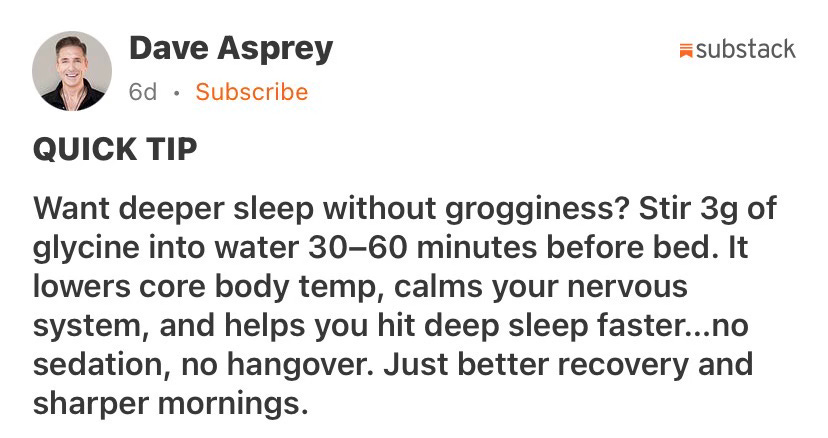
Peri power tool (I take it every night):
New deals!
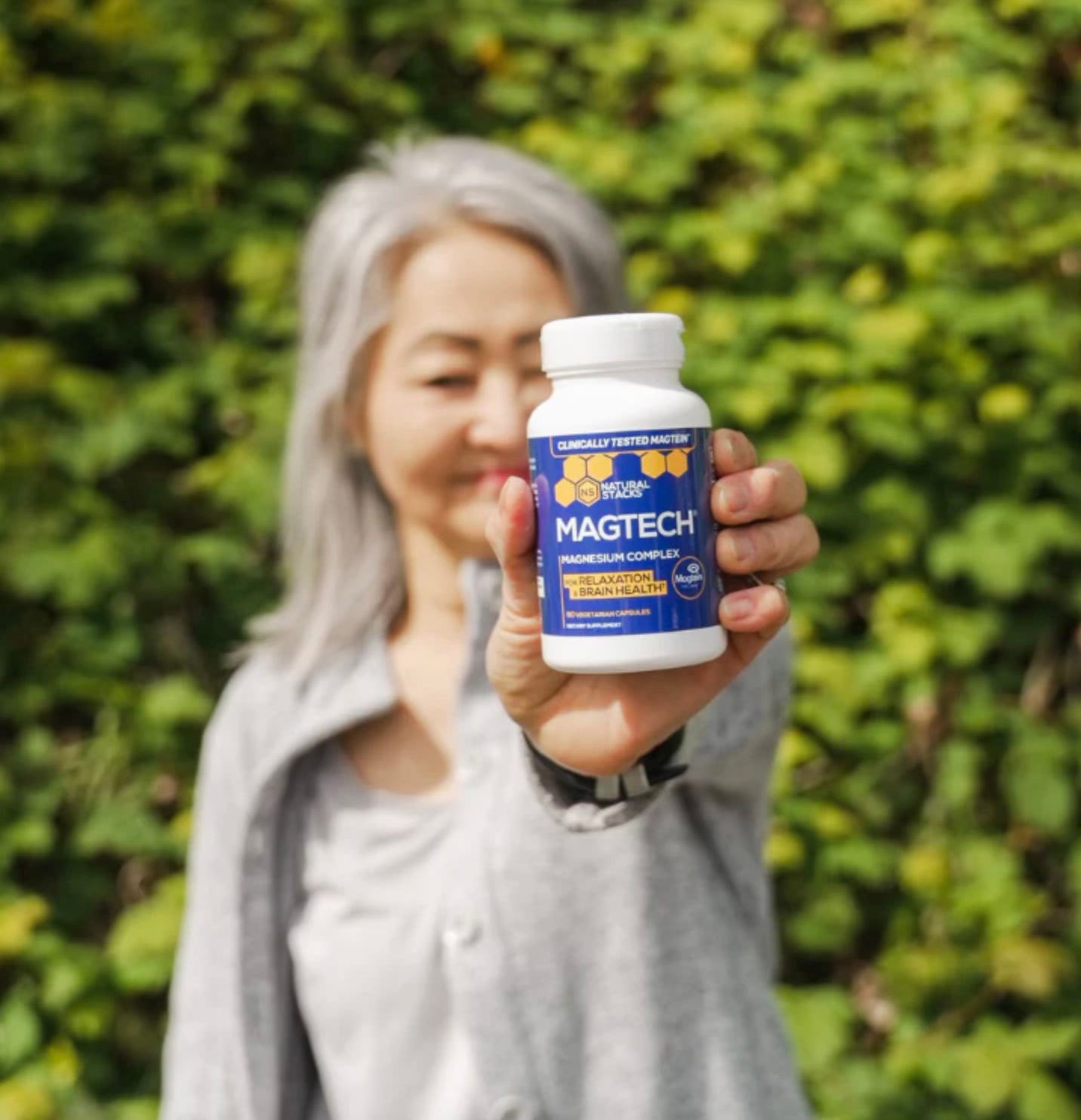
I’m pleased to announce that Hotflash inc is partnered with a few new brands to offer discounts on products you might find useful:
Natural Stacks: Use code HOTFLASHINC for 30% off. I’m in awe of their Sleep Drink (magnesium, glycine + chamomile!) and their MagTech blend.
Bonafide: Non-hormonal options for perimenopause and menopause — including a lush hair serum I’m enjoying. Use code HOTFLASHINC for 20% off.
For a full list of our partners, visit Hotflash inc. I only promote products I’ve tried and found helpful. Many don’t make the cut.
Quick Hits
The Buffalo Herbalist’s three-part series on plants and your body is a masterpiece (Part 3 covers the endocannabinoid system).
‘Striking’ Impact of Hearing Aids on Dementia Risk via Medscape
Love this collaboration: Peloton + Respin found 84% of women reported improvement in menopause symptoms after completing a 60-day program.
Menopause & Cancer: Start Here by Dr. Corinne Menn — who also offers a course for managing menopause after breast cancer.
What The FDA Doesn’t Tell Women About Hormone Replacement Therapy via The Daily Wire
Melanie Sanders started the We Do Not Care Club — and wrote a book about it.
What Women Are Actually Getting Out of Those Menopause Retreats via Self
Constance Zimmer reveals how having an IUD for “way too long” messed with her menopause transition — New York Post
Editor’s note
There were some definite hammy moments, but I’m on a post-“Hamnet in the theatre” high today and it deserves every one of its Oscar nominations. Who’s going to recognize that extra extra to the right in the final theatre scene though? Comment below IYKYK.
AMx
For a more nuanced look at the current landscape, may I suggest an All Access Pass to the Hotflash inc Summit? You get lifetime access to all 40 videos, as well as Hotflash inc Summit Book of Knowledge (top takeaways from all the interviews) and for just one more week, my guide to navigating all the gaps in hormone therapy information. What you don’t get? Fear. I made sure of it.
» If you order any of products listed in this email, Hotflash inc may receive a commission.
» Hotflash inc is for educational purposes only and not to be used or considered for medical advice.
I'm so sorry. The largest market is in the US and I always forget about the prohibitive expense of shipping things. I'll try to do better on listing if distribution is worldwide. The BMI is trash! And thank you Vini for your kind words...
BMI is a horrible measure. Totally not representative of a persons true body composition. Well trained athletes with high muscle and low body fat are typically borderline obese according to their BMI.